


Robert Kurrle
Dir. de Fotografía
45
Películas
0
Series
From Wikipedia, the free encyclopedia
Robert Kurrle (February 2, 1890 – October 27, 1932), also known as Robert B. Kurrle, was an American cinematographer during the silent and early talking film eras. Prior to entering the film industry, he was already experimenting with aerial photography. Considered a very prominent cinematographer, even his early work received notice and praise from both critics and other industry professionals. The advent of sound film did not abate his continued rise, and he became the top director of photography at Warner Brothers by 1932.
He shot 70 films over the sixteen years of his career, working with such prominent directors as William Wellman, Raoul Walsh, Michael Curtiz, Archie Mayo, and William Dieterle. He was a member of the American Society of Cinematographers by 1921, and he was also one of the inaugural members of the International Photographers branch of I.A.T.S.E. (International Alliance of Theatrical Stage Employees). In October 1932, at the height of his career, he suddenly fell ill after wrapping a film. Hospitalized, his condition quickly worsened and within a week he was dead of an infection to the brain.
By 1928 Kurrle was being called a "camera ace", a reference not only to his skill behind the camera, but also to the fact that he was one of the few people in Hollywood to own their own plane. In 1928 he worked exclusively with Universal Pictures, before returning to freelance the following year. In mid-1930, Kurrle signed a contract with Warner Brothers. Over the next two years he rose to become their top cinematographer. During his sixteen-year career, he worked with such notable directors as John Ince, William Wellman, Raoul Walsh, Michael Curtiz, Archie Mayo, and William Dieterle (who directed the final film Kurrle photographed). In 1928 Kurrle was one of the inaugural members of the International Photographers branch of the International Alliance of Theatrical Stage Employees (I.A.T.S.E.).
Kurrle was behind the camera for Lloyd Bacon's 1930 version of Moby Dick, for which his work received high praise, being called "... one of the three outstanding elements of the entire work." In 1931, his work on Resurrection was described as "... brilliant and sweeping". During 1932, Kurrle was the director of photography on ten feature films which were released that year. In September and October 1932, he worked on back to back films. The first was The Match King, featuring Warren William and Lily Damita, followed by Lawyer Man, starring William Powell and Joan Blondell. Lawyer Man was his final film.
Detrás de Cámaras

Jewel Robbery
Dir. de Fotografía

Moby Dick
Dir. de Fotografía

Smart Money
Dir. de Fotografía
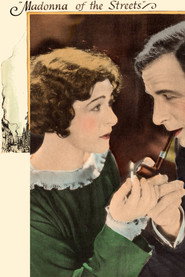
Madonna of the Streets
Dir. de Fotografía

Lawyer Man
Dir. de Fotografía

One Way Passage
Dir. de Fotografía

The Lady Who Lied
Dir. de Fotografía

Crooner
Dir. de Fotografía

Winner Take All
Dir. de Fotografía

Habit
Dir. de Fotografía

River's End
Dir. de Fotografía

Dancing Sweeties
Dir. de Fotografía

Evangeline
Dir. de Fotografía

Resurrección
Dir. de Fotografía

Why Women Love
Dir. de Fotografía

Sadie Thompson
Dir. de Fotografía

The Road to Singapore
Dir. de Fotografía

Illicit
Dir. de Fotografía

The Strange Love of Molly Louvain
Dir. de Fotografía

A Question of Honor
Dir. de Fotografía

Joanna
Dir. de Fotografía

Her Majesty, Love
Dir. de Fotografía

The Four Feathers
Dir. de Fotografía

Rio Rita
Dir. de Fotografía

Ramona
Dir. de Fotografía

The Dramatic Life of Abraham Lincoln
Dir. de Fotografía

The Invisible Fear
Dir. de Fotografía

Faith
Dir. de Fotografía

The Match King
Dir. de Fotografía

Maybe It's Love
Dir. de Fotografía